What Does Authentic Confidence Actually Mean?
Confidence isn't a performance
What Does Authentic Confidence Actually Mean?
What comes to mind when you hear the word confidence?
Perhaps someone who speaks clearly.
Someone who walks into a room and commands attention.
Someone who isn't afraid to share their opinion.
Someone who seems comfortable in their own skin.
We often recognise confidence by how it looks from the outside.
But I'm interested in what happens underneath it.
Because confidence isn't always loud.
It isn't always visible.
And it isn't necessarily about feeling certain all the time.
Confidence isn't a performance
We've become very good at teaching people how to look confident.
Stand up straight.
Make eye contact.
Speak clearly.
Don't apologise.
Take up space.
Dress for success.
Believe in yourself.
Some of these things can be useful.
But they can also leave us with an important question:
What happens when we're performing confidence rather than experiencing it?
You can appear confident while internally questioning everything you say.
You can be successful while feeling like an imposter.
You can take up physical space while still feeling like you need permission to belong there.
You can receive compliments while struggling to believe them.
And you can look confident without actually feeling comfortable being yourself.
Authentic confidence starts somewhere else
For me, authentic confidence is connected to identity.
Knowing yourself.
Understanding what has shaped you.
Knowing what matters to you.
Being able to recognise your own preferences, values and boundaries.
And gradually becoming more comfortable expressing those things.
This doesn't mean never doubting yourself.
It doesn't mean never feeling nervous.
It doesn't mean you stop caring what other people think.
It means other people's opinions don't completely determine how you see yourself.
There is a growing sense of:
This is who I am.
This matters to me.
This is how I want to show up.
From fitting in to feeling aligned
For many of us, fitting in has involved learning to adapt.
We learn what gets approval.
What gets criticized.
What makes us seem acceptable.
What makes us stand out.
What parts of ourselves are welcomed — and which parts are better kept quiet.
Sometimes those adaptations are necessary.
Sometimes they help us navigate environments where being different doesn't always feel easy.
But there can come a point where we realise:
I'm very good at fitting in.
But do I actually feel like myself?
That is where self-expression becomes important.
Because confidence isn't simply about being visible.
It's about being able to be visible as yourself.
Self-expression isn't about performing for other people
Self-expression is sometimes presented as a way of getting attention.
But it doesn't have to be.
You don't have to dress dramatically.
You don't have to be the loudest person in the room.
You don't have to share everything about yourself.
You don't have to turn yourself into a brand.
Self-expression can be quiet.
It can be choosing something because you love it.
Using your voice when something matters to you.
Allowing your appearance to reflect something about who you are.
Setting a boundary that feels right for you.
Saying no.
Saying yes.
Taking up space.
Or simply allowing yourself to stop editing every part of yourself for other people's comfort.
And this is where appearance can matter
How we look isn't the whole story of confidence.
But our appearance is one of the ways we communicate with the world.
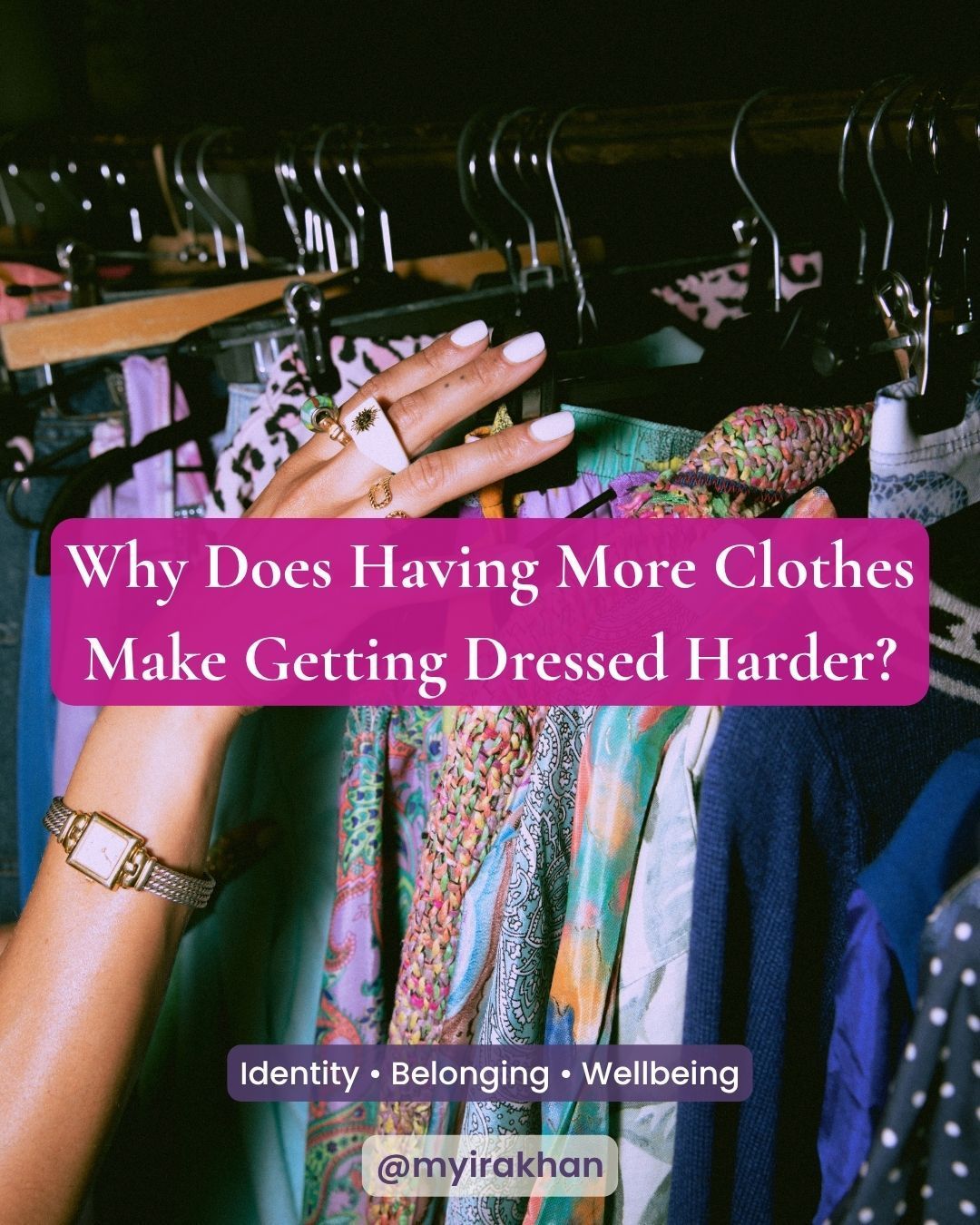
The clothes we choose.
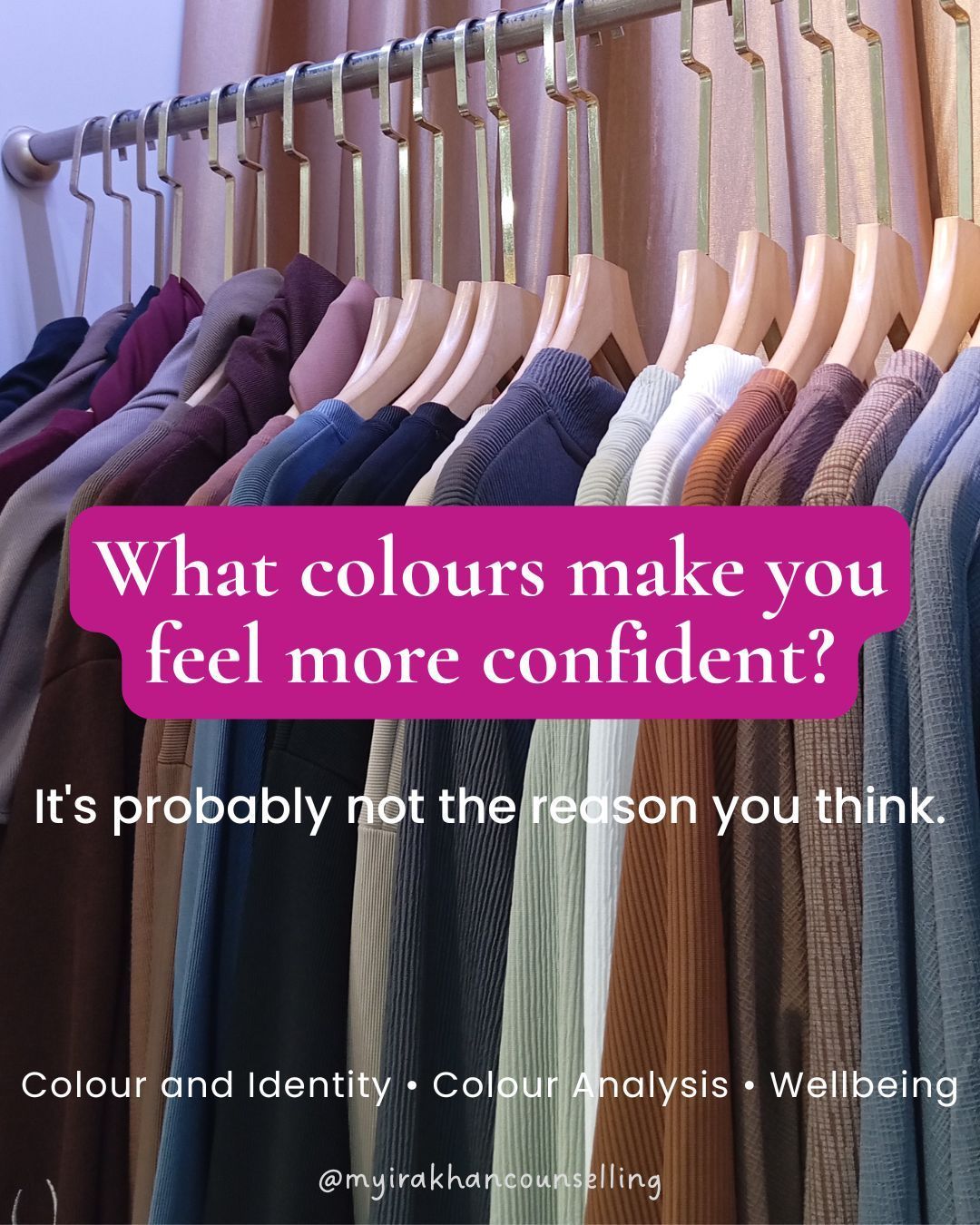
The colours we wear.
Our hair.
Our accessories.
Our make-up.
For some people, these choices can become another area where they feel they have to perform.
For others, they can become a way of reconnecting with themselves.
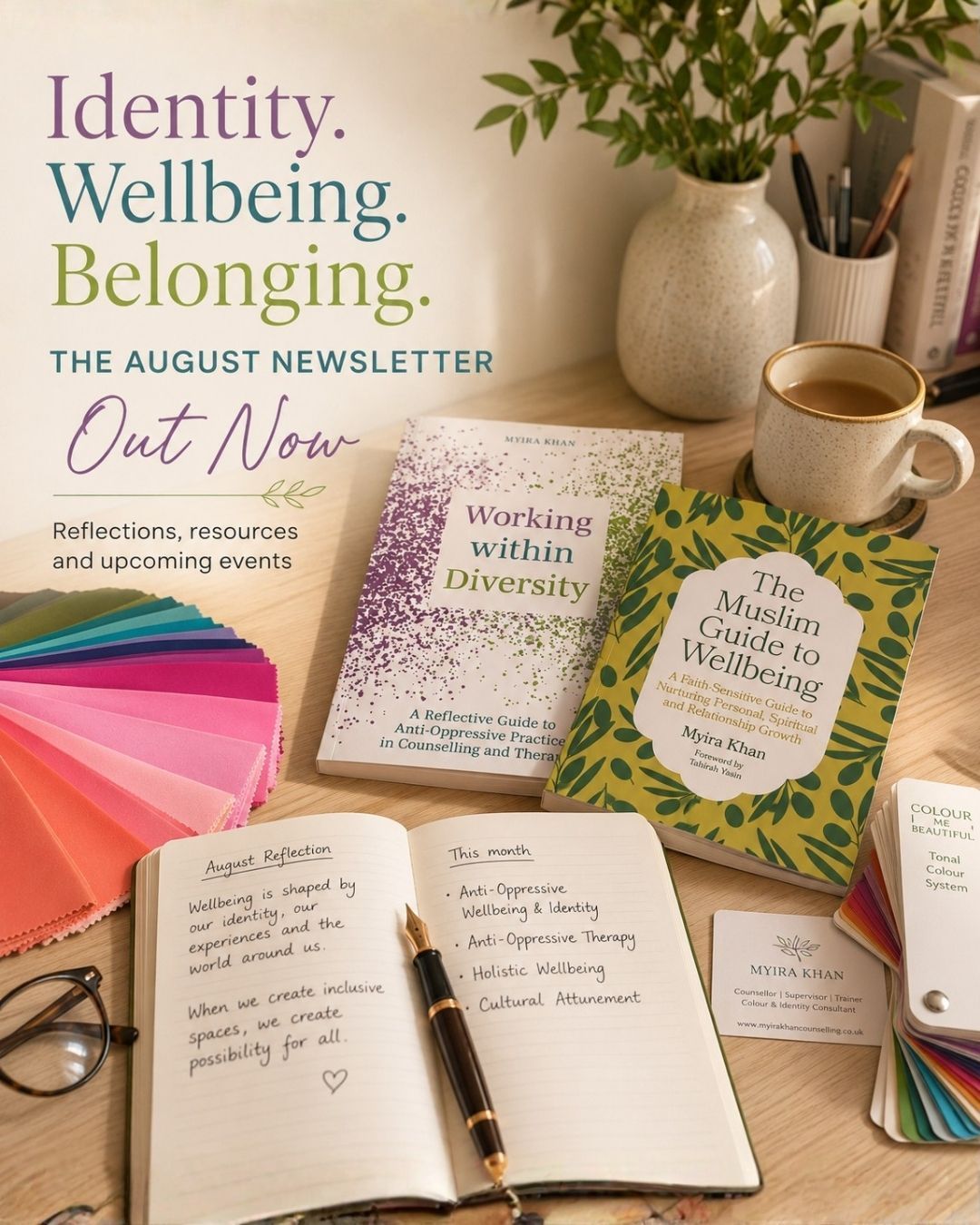
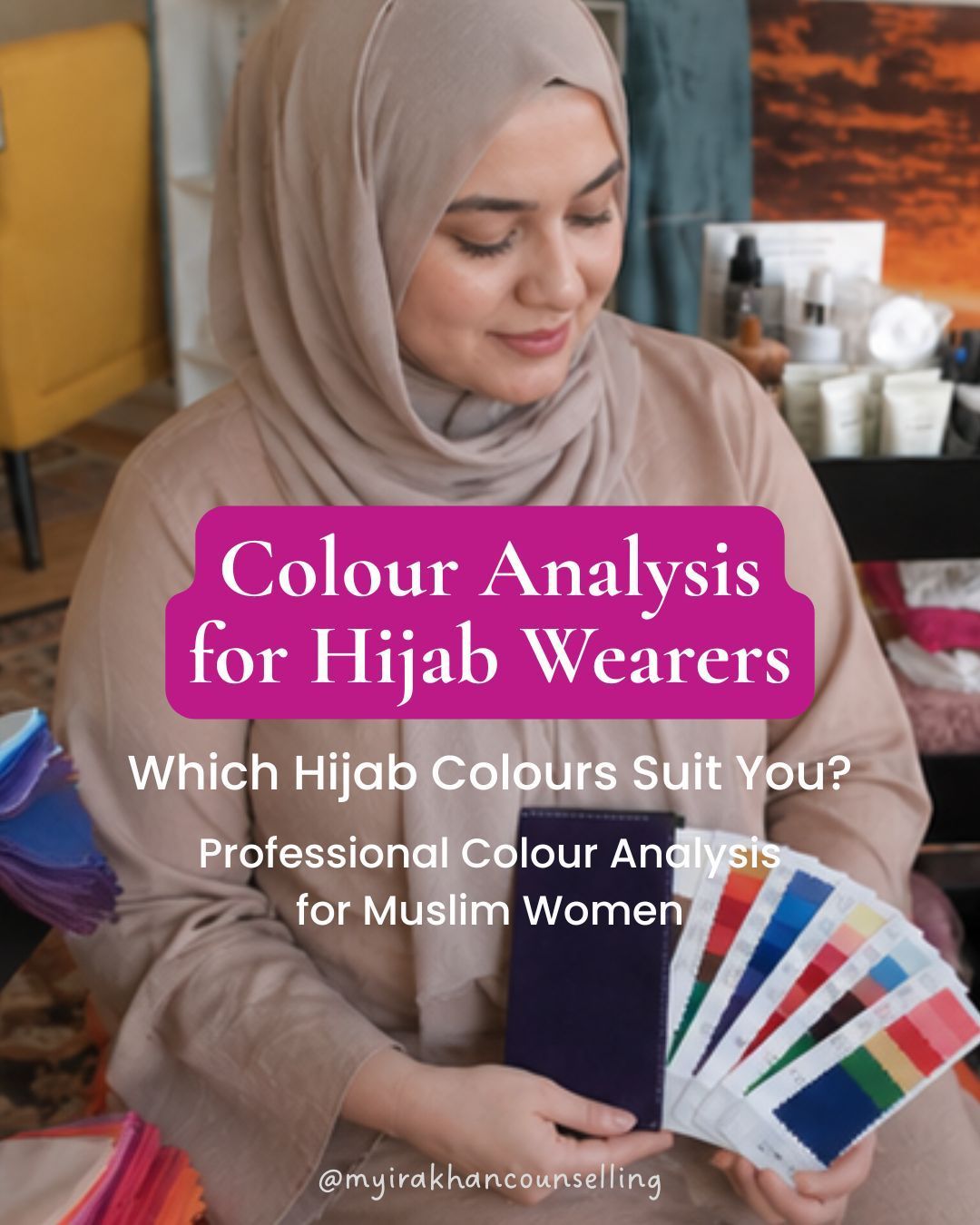
This is one of the reasons I see Colour & Identity as more than simply finding flattering colours.
Colour doesn't create confidence.
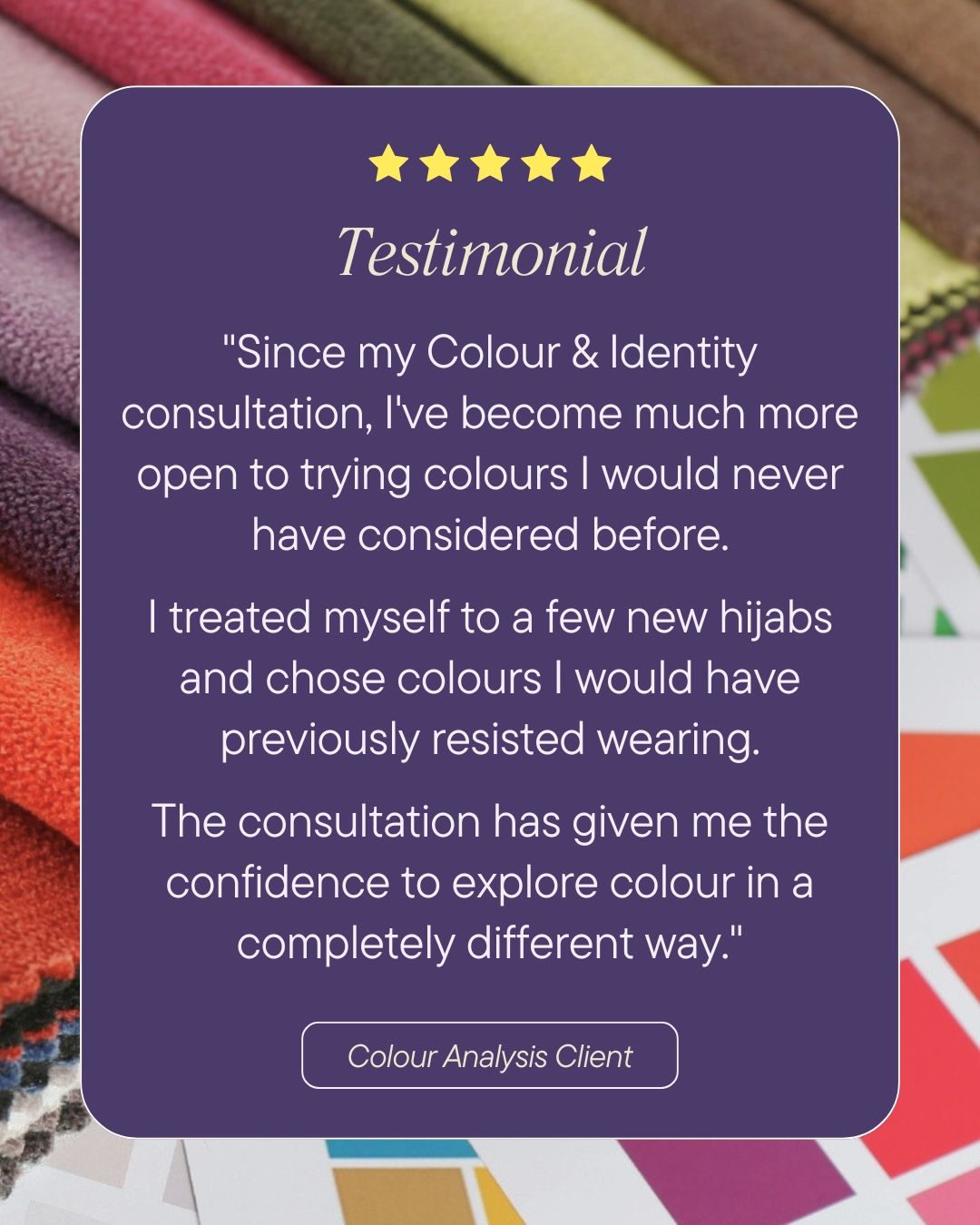
But understanding colour can sometimes help someone reconnect with how they want to express themselves.
It can become part of the process of asking:
What feels like me?
Rather than:
What should I look like?
Confidence isn't about becoming someone else
Perhaps one of the biggest misunderstandings about confidence is that we need to become a different version of ourselves to have it.
More outgoing.
More assertive.
More successful.
More polished.
More visible.
But perhaps authentic confidence is less about adding something to ourselves and more about removing some of the barriers between who we are and how we show up.
You don't need to become someone else to be confident.
You need opportunities to know yourself, trust yourself and express yourself.
Because confidence grows when we can increasingly say:
This is me.
And I don't need to become someone else to belong.